
ISRM Specialised Conference

20-23 September, 2026
Uppsala, Sweden
Time left to conference:
Day(s)
:
Hour(s)
:
Minute(s)
:
Second(s)
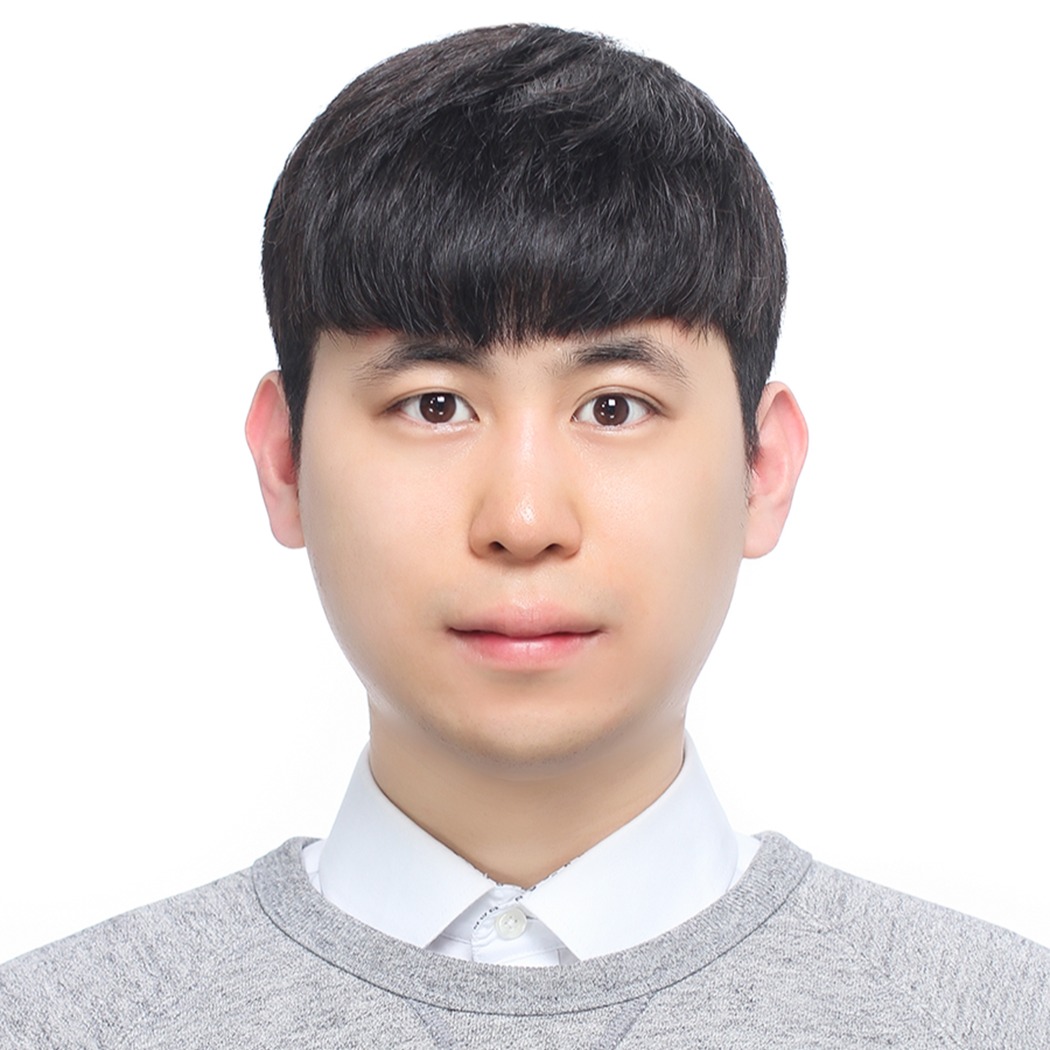
Dr. Kim Kwang-Il
Biography
Kim Kwang‑Il is a Senior Researcher at the Korea Atomic Energy Research Institute (KAERI), where he works in the Advanced Disposal Technology R&D Division focusing on coupled thermo‑hydro‑mechanical (THM) processes in fractured geological media. He received his PhD in Energy Resources Engineering from Seoul National University, with a dissertation on fluid‑injection‑induced seismicity in fractured rock masses, and has since developed recognized expertise in numerical modeling of geothermal reservoirs, injection‑induced seismicity, and deep geological disposal of high‑level radioactive waste. Dr. Kim has played key roles in national and international research programs, including EU Horizon 2020 geothermal projects and Korea’s long‑term safety assessment and disposal system development for spent nuclear fuel. He has authored high‑impact journal papers on EGS stimulation, induced seismicity, and repository design, and is an active contributor to advanced simulators such as TOUGH‑UDEC and TOUGH‑3DEC.
Introduction of the Lecture
Multi-phase coupled thermo-hydro-mechanical modeling for deep geological repositories: design optimization and long-term stability
Deep geological repository (DGR) designs have conventionally been governed by overly conservative constraints, leading to expansive spatial footprints and relevant social and economic hurdles. To address these challenges, it is crucial to transition toward high-density disposal concepts with rationalized design constraints such as allowing the buffer’s thermal limit beyond 100°C and implementing alternative disposal concepts with multiple layers and canisters. However, increasing disposal density inherently intensifies the thermal load on the host rock, demanding a rigorous, multi-scale evaluation of long-term stability. In the near-field, intensive thermal stress coupled with buffer swelling can induce fracture generation and dilation, potentially compromising integrity of the engineered barrier system and serving as major fluid pathways for radionuclides. In the far-field, minor stress perturbation might lead to the reactivation of critically stressed faults and subsequent induced seismicity. This presentation introduces various strategies to derive optimal DGR designs through multi-phase coupled thermo-hydro-mechanical (THM) modeling. The long-term stability of the rock mass corresponding to each DGR design is evaluated, primarily in terms of near-field failure connectivity and critical far-field distance between faults and the repository. The findings provide a comprehensive framework to bridge the gap between engineering optimization and the long-term safety of advanced disposal systems.
Contact us
Local Organising Committee of CouFrac 2026
Qinghua Lei - Local Chair
Chuanyin Jiang - Secretary General
Iman Vaezi - Secretary General
Conference Secretariat
Academic Conferences
Email: coufrac2026@akademikonferens.se
Phone: +46 18 67 14 62 or +46 18 67 10 03
Important dates
31 October 2025: Abstract submission opens
10 January 2026: Abstract submission deadline
late January 2026: Notification of Abstract Acceptance
20 April 2026: Extended Abstract Deadline
15 May 2026: Extended Abstract Acceptance
2 July 2026: Early Bird Registration Deadline (Extended)
31 August 2026: Registration Deadline (for presenters)
14 September 2026: Registration Deadline (for non-presenters)
20-23 September 2026: Conference dates